Concerns Surrounding President Trump’s Health as He Approaches 80
As President Donald Trump approaches his 80th birthday, questions surrounding his health have intensified. Being the oldest person ever elected to the U.S. presidency, concerns regarding his physical and cognitive well-being are prevalent. According to Dr. Sanjay Gupta, CNN’s chief medical correspondent, information about Trump’s health is primarily derived from what is officially disclosed, often leaving many details obscured.
Health Reports: What We Know
In the last 13 months, Trump has had three medical visits, the outcomes of which reveal a mixed bag of health indicators. During an April appointment, it was noted that he is dealing with risks commonly associated with aging: slightly elevated blood pressure, weight issues, and evidence of sun damage to his skin. He has publicly referred to a cognitive assessment exam—the Montreal Cognitive Assessment—which he has reportedly passed with perfect scores each time.
Additionally, Trump is prescribed various medications, predominantly for cardiac health, including statins and high-dose aspirin. The aspirin, taken at 325 milligrams, is notably four times the typical dose. While Trump claims no history of heart disease, there have been tests suggesting otherwise, creating ambiguity about his cardiovascular status.
Bruising and Swollen Ankles: An Ongoing Concern
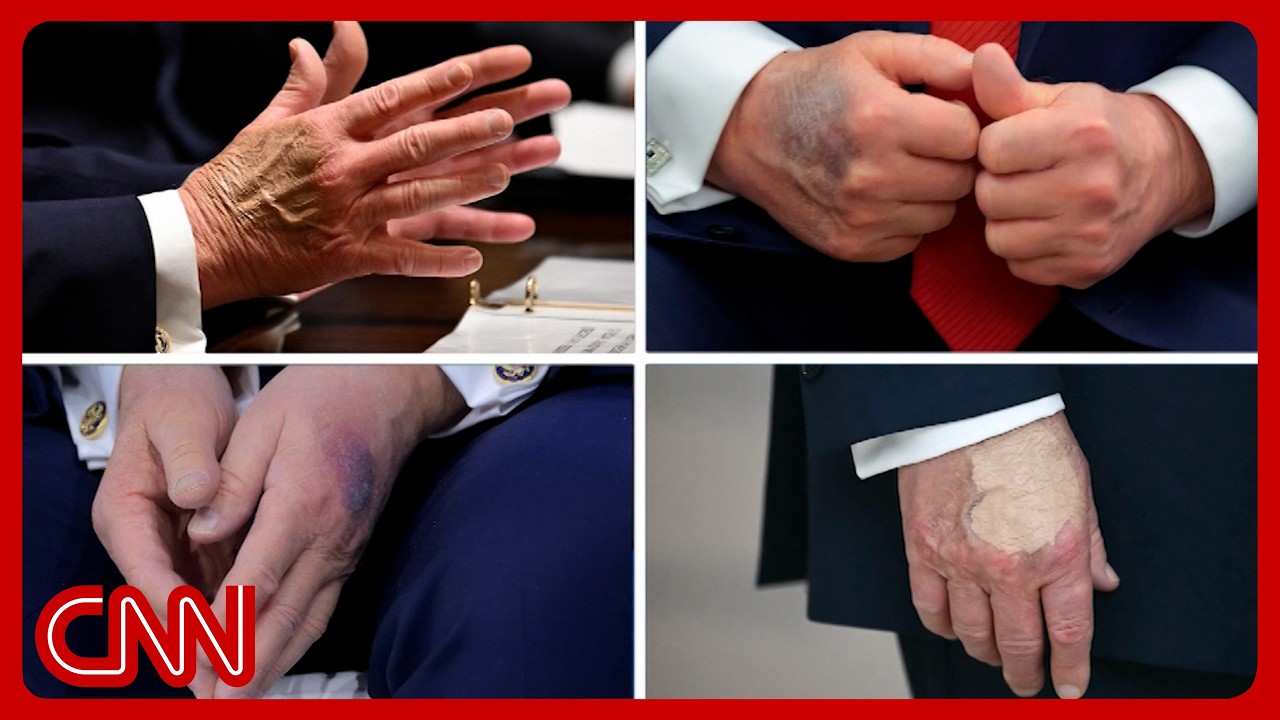
Dr. Gupta highlighted that Trump has displayed visible signs of health issues, including bruising on his hands, which he attributes to high aspirin use and frequent handshaking. Critics argue this explanation is insufficient, given that excessive aspirin intake can lead to complications such as internal bleeding. Moreover, Trump’s recent diagnosis of chronic venous insufficiency—characterized by swollen ankles—has raised eyebrows. Though the condition is common and typically not serious, it still raises questions about the underlying cause, particularly whether it is linked to potential heart-related issues.
The Role of Transparency in Presidential Health
Dr. Jonathan Riner, a CNN medical analyst, emphasized the need for a more transparent annual physical examination process, especially for a president who is nearing 80. While presidents are not legally obligated to disclose their health details, Riner pointed out that transparency should be prioritized. Many other professional roles, such as pilots and school bus drivers, require regular health assessments to ensure competency. A president, as the leader of the nation and commander-in-chief, should be held to similar standards.
Riner noted that the president’s health concerns have often been brushed off as minor, but credible explanations are necessary to alleviate public apprehension. Visible signs such as increased bruising and swelling in the ankles should be thoroughly examined and addressed, rather than explained away as benign.
Cognitive Function and Public Perception
With public opinion seemingly flagging regarding Trump’s mental acuity, there’s an increasing concern about his cognitive function, especially given the age-related decline that can occur. Polls indicate that a significant portion of the American public is uncertain about the president’s ability to serve effectively. Issues such as daytime somnolence—excessive drowsiness during waking hours—have been reported, contributing to worries about his mental alertness. Chronic insomnia, a condition he reportedly struggles with, is further linked to increased risks of cardiovascular issues and cognitive decline.
Conclusion: Navigating a Delicate Situation
As Trump’s administration continues to navigate these health concerns, the scrutiny will likely remain sharp. Unannounced visits to medical facilities, especially when significant tests are involved, can only invite speculation and concern among the public. The administration’s task lies in balancing the necessity of routine health assessments with the abiding need for transparency.
In the realm of leadership, especially in a role as critical as that of the president, it is imperative for the public to have confidence in the individual at the helm. As Trump approaches his 80th year, the combination of accountability and clear communication about health status is not just useful but essential in preserving that public trust. As we approach this milestone birthday for the president, the upcoming examination may serve not only as a health check but as a broader examination of transparency in presidential health matters.